Begin with the actual brief
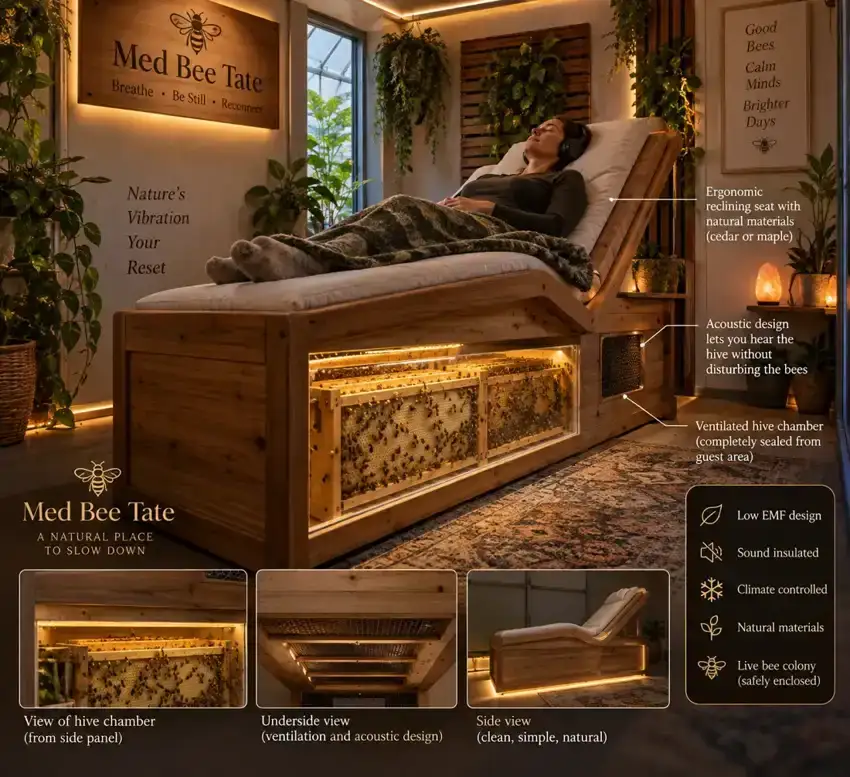
A low-EMF approach is part of the intended private-room concept. At this stage that is a direction for design discussion. It does not establish a measured room condition, a certification or an EMF-free environment. Keeping the status clear lets the idea remain part of the project without asking visitors to accept a specification that does not yet exist.
Keep illustrations in their proper role
The supplied concept board uses low-EMF language alongside lighting, materials and room-layout ideas. A rendering can communicate priorities, but it cannot verify the performance of a finished room. We will avoid treating a label on an image as the same thing as an installed feature or a documented result.
Describe confirmed details when they exist
Future room information should distinguish the actual electrical arrangement from any measurements or assessments that may later be available. The description should say what has been checked and what that information covers. It should not replace those details with a broad promise that suggests a guaranteed health outcome or a universal experience for every visitor.
The wider atmosphere still matters
The private-room vision also includes warm finishes, restrained lighting and a simple place to recline. These are separate design choices that help explain the intended mood. Explore the room page for that overall direction, with the understanding that the project is in development and no room bookings or verified low-EMF specifications are currently being offered.